Spear phishing is a social engineering strategy used by hackers all around the world to scam high-level employees or an organization. Spear phishing allows hackers to impersonate a member of the organization and send emails on behalf of them to get money or access to sensitive information.
What spear phishing is
As mentioned, spear phishing is a targeted form of phishing. Almost all online scams start with some form of phishing, but many of these attempts randomly target a large audience. For example, you might receive an email stating you’re receiving some money, and you just need to provide some personal details. This is a form of phishing, but it isn’t targeted.
In a spear phishing attempt, a perpetrator needs to know some details about the victim. Using these details, the fraudster aims to instill trust in the victim and get as far as possible with the scam. So where do they find these details? These could be gleaned from a previous phishing attempt, a breached account, or anywhere else they might be able to find out personal information. Social media, in particular, is a hotbed of information regarding both individuals and businesses.
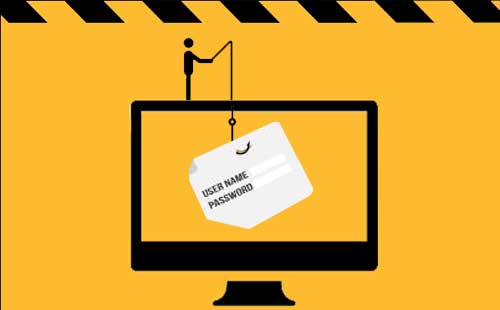
Spear phishing attempts can take many different forms. Some try to get you to click on a link which might lead to a website that downloads malware, a fake website that requests a password, or a site that contains advertisements or trackers. Other phishing attempts might ask you to provide your social security number, hand over credit card or banking information, or simply send some money…to know more, visit – comparitech .
How does spear phishing work?
This familiarity is what makes spear phishing attacks successful. Attackers collect information from social media about potential targets, including their personal and professional relationships and other personal details. The attacker uses this information to craft a personalized message that looks and sounds authentic to convince the target to respond to the sender’s request. The sender may request that the user reply directly to the email, or the message may include a malicious link or attachment that installs malware on the target’s device, or directs the target to a malicious website that is set up to trick them into giving sensitive information like passwords, account information or credit card information.
Spear phishing characteristics
Spear phishing can be more difficult to identify than phishing attacks due to the personal details that give the messages an air of validity. However, some of the characteristics that are common to phishing emails are also common to spear phishing emails:
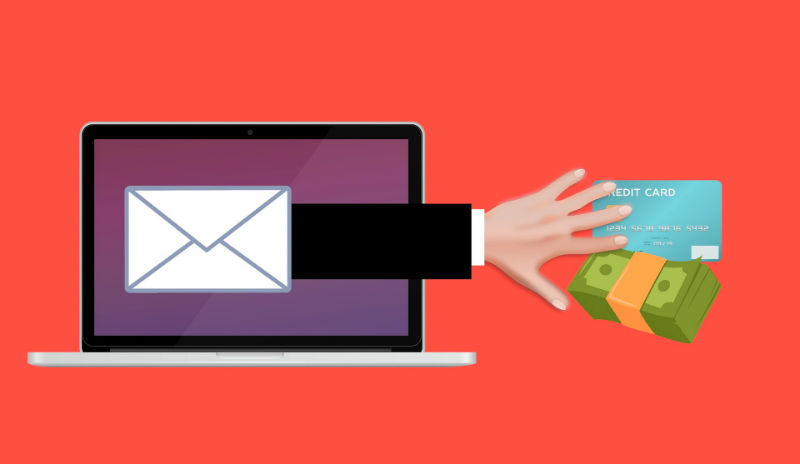
- The sender’s email address is spoofed. The email address looks like it’s from a trusted individual and/or domain, but closer inspection reveals a typographical error or the exchange of one alphanumeric character for another that closely resembles it (such as the letter “I” is replaced with the number one).
- A sense of urgency, particularly as it relates to performing a task that goes against company policy. Attackers evoke a sense of urgency to exploit the recipient’s desire to do good or to simply be helpful. For example, posing as the target’s direct supervisor, an attacker may ask for the username and password for an internal application so that they can fulfill a critical request from upper management in a timely manner, rather than wait for IT to reset their password.
- Poor grammar, typographical errors or unlikely language within the body of the message. The body of the email does not sound like other messages from the supposed sender. Perhaps the tone is too informal or the jargon is incorrect for the recipient’s geographic location or industry. Read more at – TechTarget .
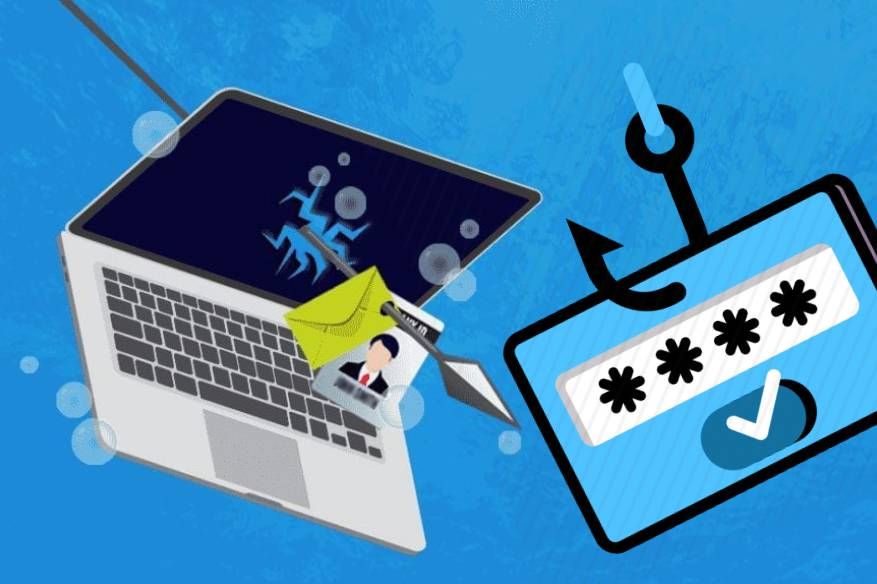
Best practices to avoid spear phishing
Avoiding spear phishing attacks means deploying a combination of technology and user security training. Here are eight best practices businesses should consider to protect against these attacks, according to the report:
Take advantage of artificial intelligence (AI)
Find a solution that detects and blocks spear phishing attacks including BEC and brand impersonation that may not include malicious links or attachments. Machine learning tools can analyze communication patterns in an organization and spot any anomalies that may be signs of an attack.
Don’t rely solely on traditional security
Traditional email security that uses blacklists for spear phishing and brand impersonation detect may not protect against zero-day links found in many attacks.
Deploy account-takeover protection
Find tools that use AI to recognize when accounts may have been compromised, to avoid more spear phishing attacks from originating from those accounts…get more to know at –Techrepublic.
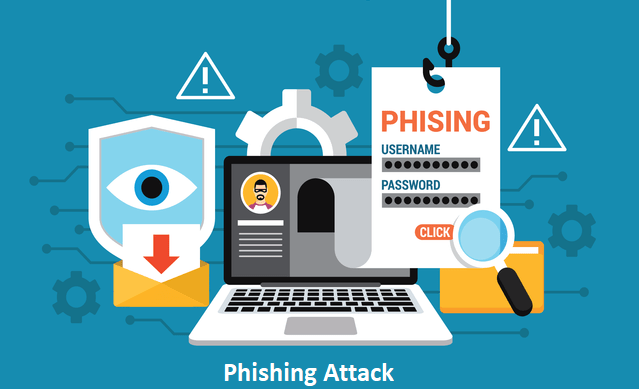
Ways to Stay Ahead of Phishing Attacks
Adopt the Right Tools: The best defense is a good offense, so having an arsenal of technologies to prevent phishing emails from getting into a system are key. Strong encryption, modern anti-malware, data loss prevention tools and automated email client health checks are a good place to start when it comes to enhancing email security.
Stay on Top of Threats and Vulnerabilities: You can’t protect against the threats you don’t know are out there, so be sure to stay on top of the latest cybersecurity threats and trends. For small businesses without a dedicated IT team, advisors and third-party entities such as vendor partners can be an amazing resource to help fill in the gaps.
Educate Users: Employees who have been trained on how to spot and avoid suspicious emails are far less likely to fall victim to them. A single training is not a silver bullet, however. According to a 2017 report from Glasswall Solutions, 82 percent of employees will open email attachments if they appear to be from a known contact, which could happen even if they’ve been trained to recognize sophisticated attacks. This is why constant training and a strong company wide security culture are key to ensuring threats stay at bay…find out more at – BizTech.
Duocircle can help you be safe against these kinds of attacks and make sure that you’ll get the best service for your money. Visit them and know more about phishing protection services.
 Alberto's Blog